In the summer the reverse occurs.
Where does vapor barrier go in attic.
This barrier is meant to keep moisture from getting to the insulation in the walls and ceilings and it is required by building codes when insulating most houses.
Joe says in the article plastic vapor barriers really are vapor barriers when things get wet.
On the other hand an air barrier a properly detailed air tight drywall ceiling for example in the absence of a vapor barrier can be effective since it stops the flow of vapor laden air.
If you put it on the right side where the humidity is it s not much of a vapor retarder.
A vapor retarder is a material used to prevent water vapor from diffusing into the wall ceiling or floor during the cold winter.
The wetter it gets the better it dries.
A vapor barrier in an attic assembly in a severely cold climate with the absence of an air barrier will likely be ineffective.
Not every wall does.
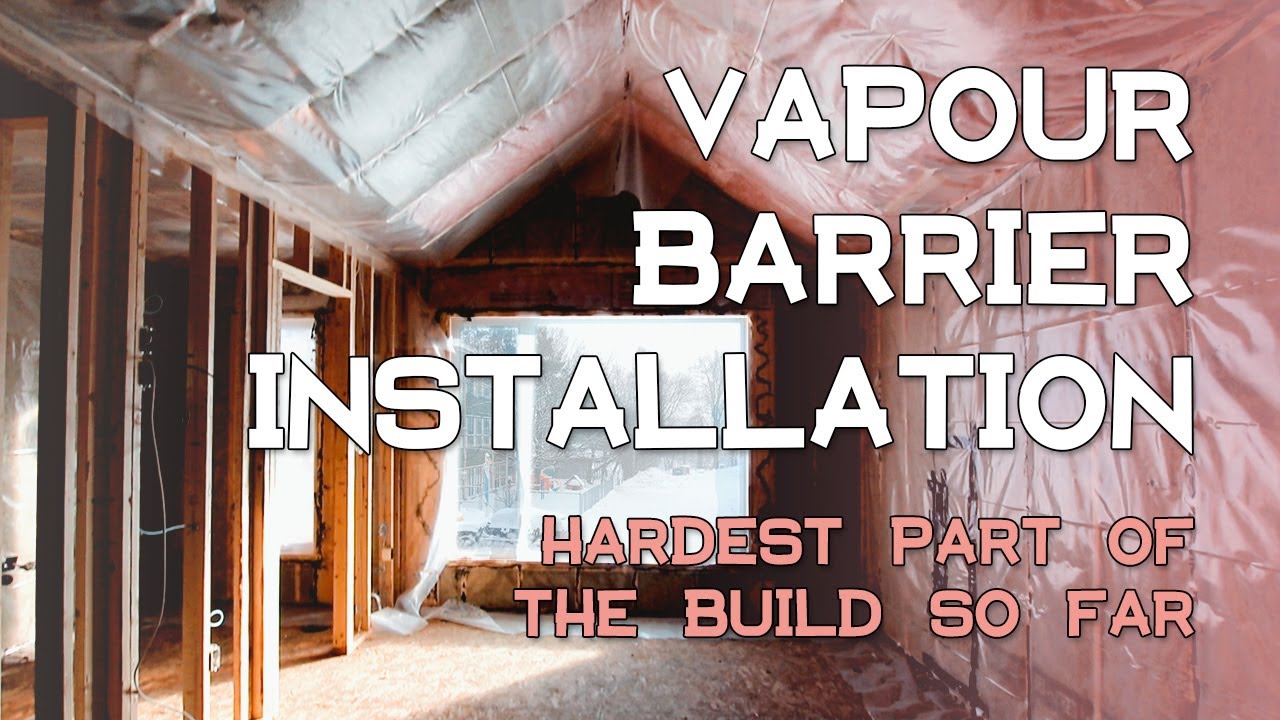
Vapor barriers are sheets of plastic or other material placed on one side of insulation sheets.
Within your attic there is free movement of air and vapor and water vapor tends to move from warmer to colder spaces.
Most authorities now agree that vapor barriers are important under certain conditions but not necessarily as a whole house solution for every home.
In circumstances where conditions inside a home or office are much different than outdoor conditions water.
It is frightening indeed that construction practices can be so dramatically.
In any case the vapor barrier must point to the warm side.
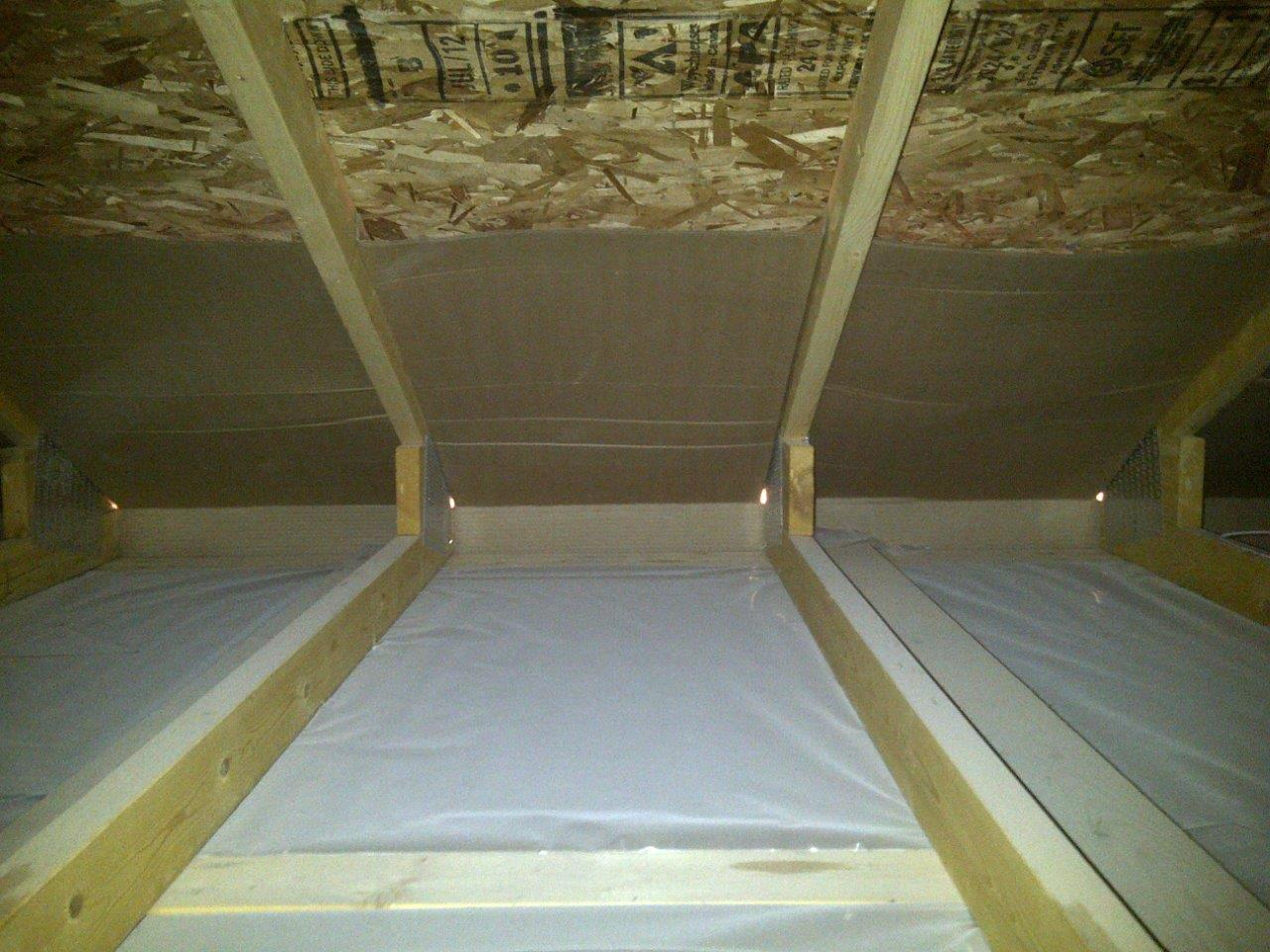
Because it s nearly impossible to seal penetrations in the ceiling the reality is water vapor will get into the attic.
Whether or not you need a vapor retarder hinges on three main factors.
Also on the graph is the permeance of polyethylene.
Rose 1997 regales readers of this history.
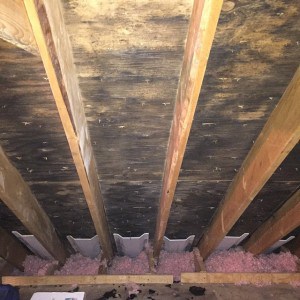
Over time this trapped moisture can rot the wood framing in your attic or cause mold and mildew to appear.
After the insulation is in place you will want to add a vapor retarder sometimes called a vapor barrier if you need one.
Attic vapor barrier detail for cold climates.
Even though we apply vapor barriers to exterior insulated walls in cold climates it s no longer recommended for ceilings floor of the attic.
Not so asphalt saturated kraft paper.
What role does a vapor barrier play.
Warm humid air will move towards.
This essentially means that in the winter vapor inside your home will want to move into your attic where it is colder.
Resolution of the vapor barrier debate.
Adding a second vapor barrier could cause condensation to become trapped in the insulation between the two vapor barriers.