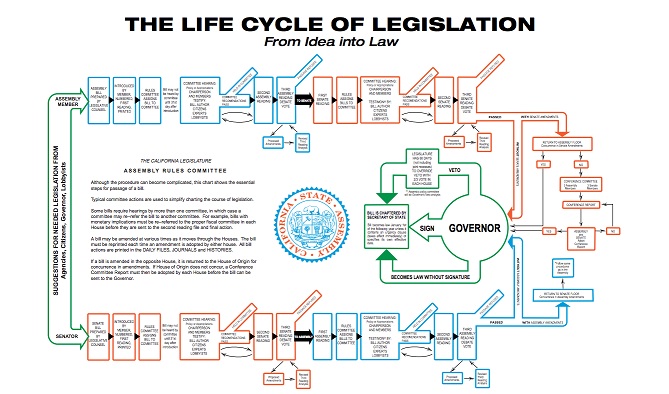
A routine agenda or order of business is followed daily as the basic structure for a floor session.
What is floor action why is it important to the process of voting on a bill.
Floor sessions in both the house and the senate are governed in large part by the rules of the body and constitutional requirements and are conducted according to strict parliamentary procedures.
What is floor action.
During floor action members voting on bill must follow specific rules.
The president may sign the bill into law or take no action.
If the president is opposed to the bill they can veto it.
If they take no action on the bill for ten days after congress has adjourned their second session the bill dies.
At this point the path a bill takes depends on whether it is in the house or the senate.
These formal rules are an established function of the speaker outlining the legislative process and also setting parameters for general debate some times a member may offer an amendment that complies with the standing rules of the house and budget act this applies to an open rule.
The bill that comes out of the committee is sent to both houses for a vote and it cannot be amended from the floor.
If the bill is approved by the house and the senate it is sent to the president for final action.
What is the process for debating amending and voting bills on the floor.
What are the final steps for a bill to become a law.
Floor debate in either chamber is reported in the congressional record and is available on lexisnexis congressional the day after the debate occurred.
Senate daily order of business.
If the president takes no action on a bill for ten days while congress is in session it automatically becomes law.
Why is it so difficult for a bill to become a law.
In both chambers of congress the bill will come up for debate amendments including riders can be offered and a final vote taken.