Summary of basalt vs.
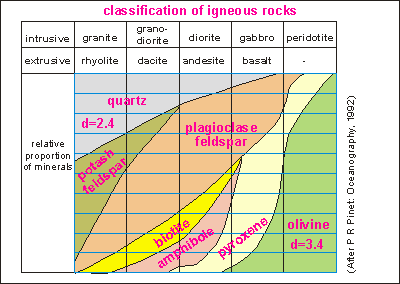
What has a lower density basalt or granite.
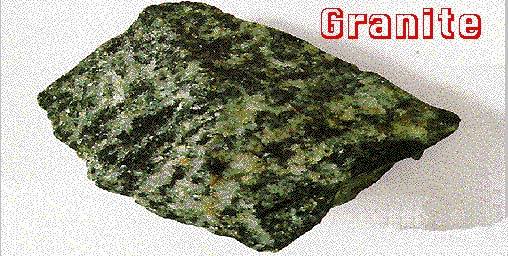
Now how come the mass of granite is lesser than basalt.
Earth contains three kinds of rocks namely igneous rocks sedimentary rocks and metamorphic rocks basalt and granite are two types of igneous rocks.
In crystalline rocks like granite which have tight interlocking mineral grains porosity is normally quite low less than 1 percent.
It is common both on earth and other planetary bodies.
The key difference between basalt and granite is that basalt is mostly occurring on ocean floors while granite is in the crust of the earth in all continents.
Its principle minerals include pyroxene feldspar and olivine.
This range of densities can also be attributed to a rock s porosity the amount of open space between mineral grains.
The mass of granite and bas.
This is measured either as a decimal between 0 and 1 or as a percentage.
Strictly speaking granite is an.
Density is a mass per volume let say if we have same ammount of volume granite and basalt what make granite less dense is because it has less mass than basalt.
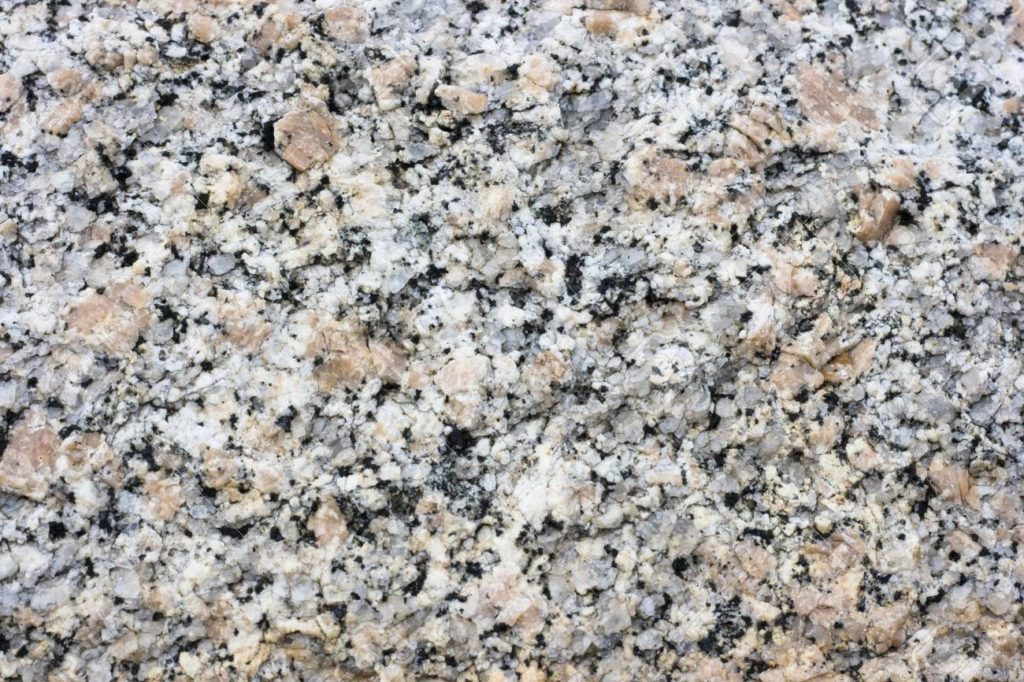
Granites can be predominantly white pink or gray in color depending on their mineralogy the word granite comes from the latin granum a grain in reference to the coarse grained structure of such a completely crystalline rock.
For example limestone 2 6 g cm 3 or less quartzite 2 7 g cm 3 and granite 2 7 2 8 g cm 3 are all common low density rocks.
All rocks of igneous origin consist of magma or molten earth that finds its way up to.
Granite ˈ ɡ r æ n ɪ t is a common type of felsic intrusive igneous rock that is granular and phaneritic in texture.
It forms from lava flows which extrude onto the surface and cool.
The density of basalt one of the most common kinds of terrestrial volcanic rocks can be as high as 3 0 g cm 3.