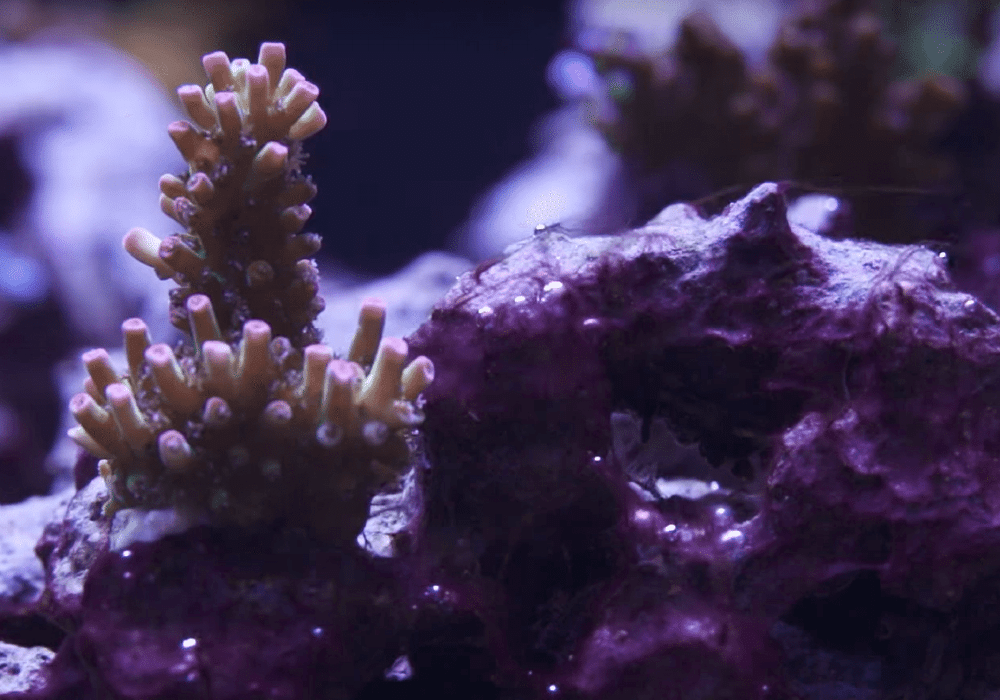
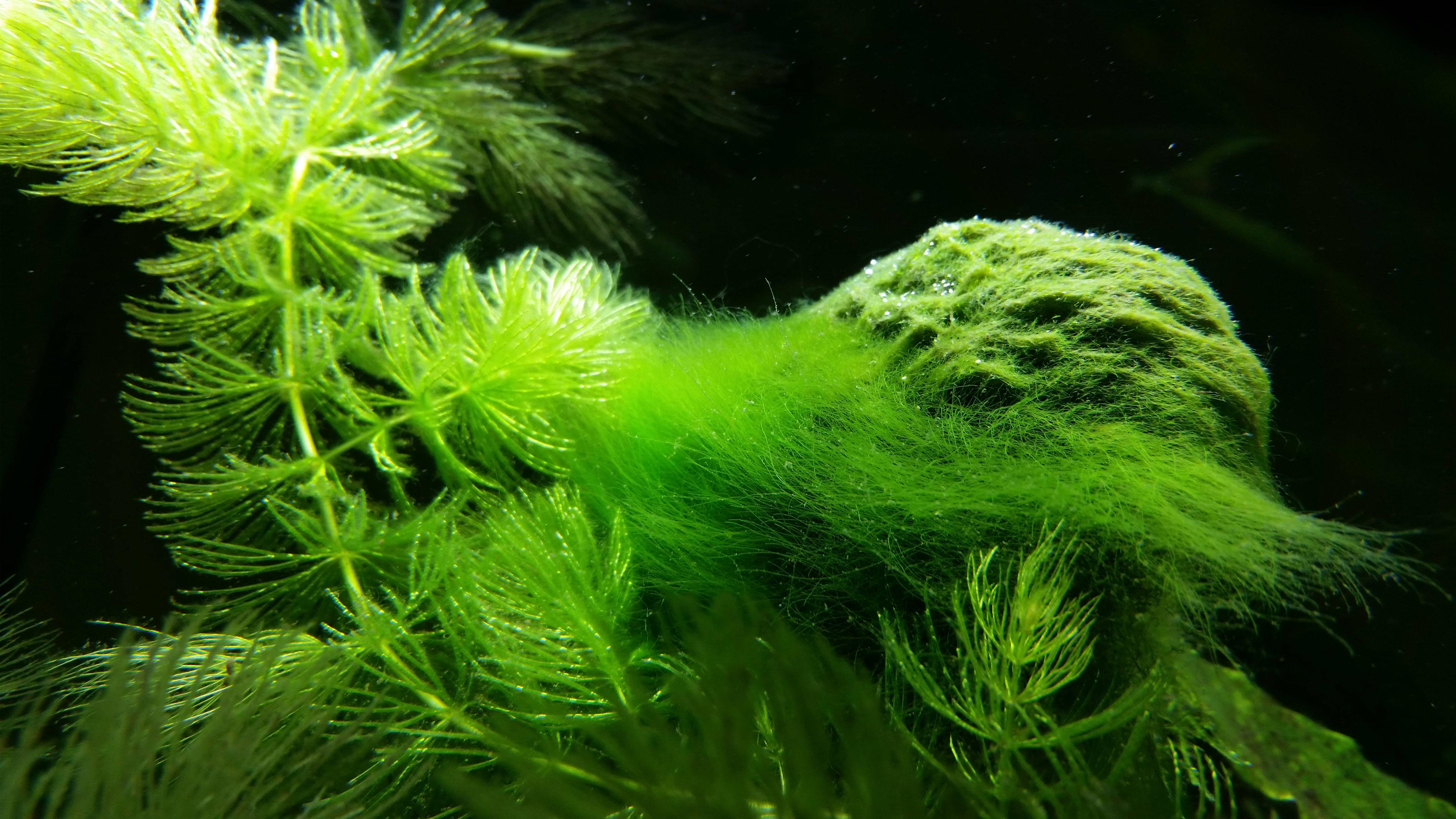
What is red slime algae.
What eats red carpet algae.
As mentioned earlier this cyprinidae and its look a likes was the subject of the lead article in the may issue of fama and was also featured in the april issue of aquarium fish magazine.
It may sound strange but red slime algae isn t actually algae at all.
Algae the plural of the word alga often can be found in water where it forms gooey mats.
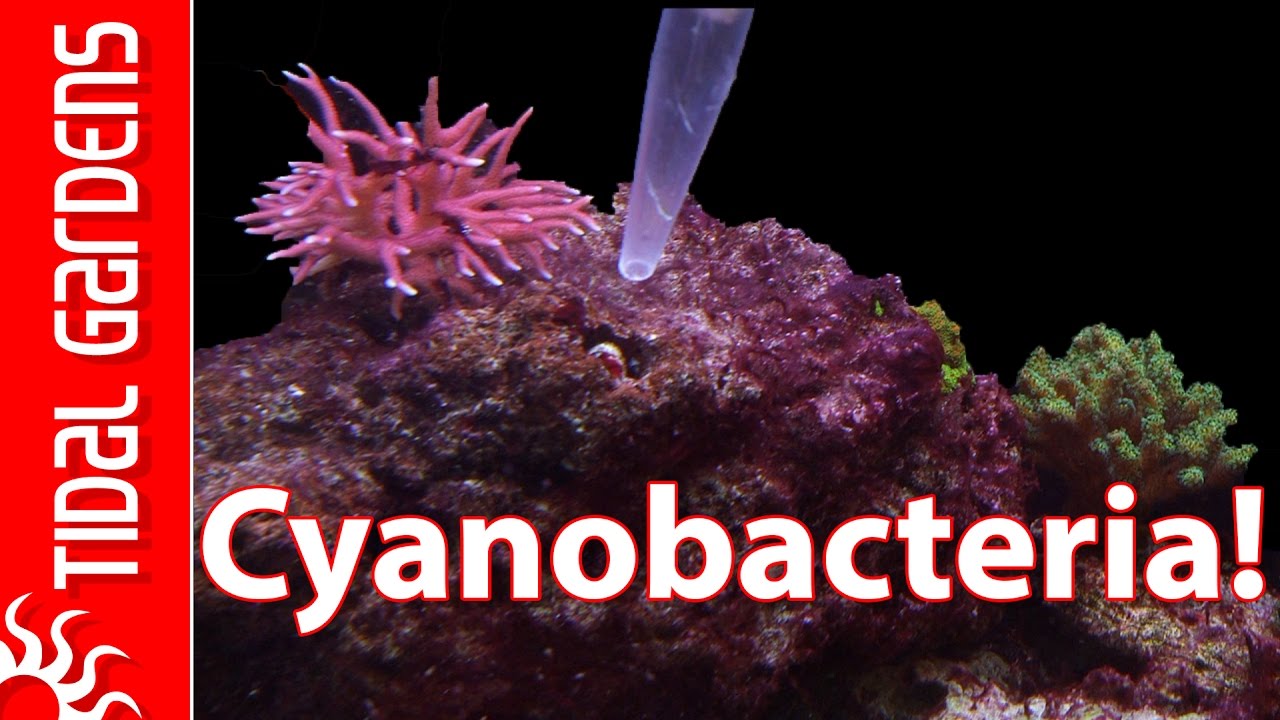
This is actually a type of bacteria known as red cyanobacteria.
Thanks for the imfo algae is green not black so maybe its not brush algae did find out one thing fish snails wont eat brush carpet algae found some real siamese algae eaters and they are stripping the leaves of the algae must just have the same growth pattern again thanks for the imfo.
Red algae can develop quickly in both fresh and marine aquariums.
Macros that have fragile runners and creep along the rock are.
Cyanobacteria are one of the oldest forms of life left on earth with their origin dating back at least 3 5 billion years.
Gelidium red wiry turf algae.
Red algae can also be black blue and green in color.
The only algae they will resist eating are green spot algae and blue green algae.
Red algae are protists or microscopic organisms in the phylum rhodophyta and range from simple one celled organisms to complex multi celled organisms.
What do algae eat there are many different types of algae and they can be many different colors including green blue and red.
Many species of short creeping red algae exist so the hobby generally lumps all of them under the heading gelidium the genus that is home to many of those species and the common name red turf algae or red wiry algae.
Red slime algae is actually not a true algae at all.
They prefer to be kept in higher numbers so we recommend at least 3 per tank.
Of the more than 6 000 species of red algae most are not surprisingly red reddish or purplish in color.
W hat eats algae.
Aside from the name red algae is not always red in colour.
Unlike brown algae red algae is not nearly as toxic to fish and plants.
It is a bacteria that is technically known as cyanobacteria.
Often considered to be the evolutionary link between bacteria and algae cyanobacteria are among the oldest forms of life on earth and date back at least 3 5 billion years.
Full grown an amano shrimp will only be around 4 centimeters so they are perfect for smaller tanks.