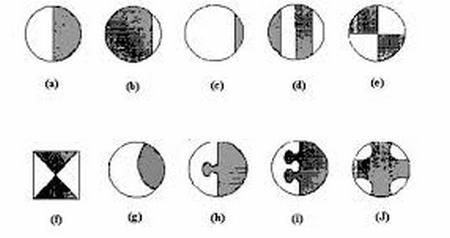
True or false false cross section cannot be controlled.
What cross sectional shape do most carpet fibers have.
Yarns with metallic components are not considered novelty yarns.
This fiber can be made to resemble most natural fibers in appearance and is often used in blends.
Wool is by far the most common natural fiber in carpeting and is virtually the only natural fiber used in broadloom wall to wall carpet.
In this process liquid glass has a high viscosity and can be made easily into fibers as follows.
Some cross sections are more common than others and some shapes may only be produced for a short period of time.
Cross sectional shape deltoid round michelin man and or trilobal was also observed and recorded.
4 2 fibre composition and morphology.
3 1 the cellulosic fibers.
Second the lowest weight carpet had much larger fibers than the other two carpets.
All of which makes it the most popular carpet fiber by far 90 for homes and heavily favored 65 for all uses both residential and commercial.
Which cross section below is most often used to create silk like manufactured fibers.
4 8 processing of ramie fiber.
All fibers had a trilobal cross sectional shape.
4 3 properties of jute fibre.
However it had no obvious effects on contact angles on individual fibers.
Heavy striations were also recorded.
Unusual cross sections encountered through examination can add increased significance to a fiber association.
The method of measurement differed depending on the observed cross section of the fiber.
The cross sectional shape of the metal fibers with small diameters 25 75 μm is round while the shape is a crescent for fibers with large diameters.
Nylon carpet of midlevel and higher quality can last up to 12 to.
A metal rod is inserted into a glass tube and then passed.
4 4 conversion of fibre to products.
The cross section of a man made fiber can be manufacturer specific.
3 2 the polymer system of cotton.
Other natural fibers are more often made into area rugs including sisal cotton seagrass jute silk and coir.
4 6 production and early processing.
For each fiber type examined a minimum of three diameter values were measured and recorded.
Most of these fibers are either too weak or too rough to be made into broadloom.
Nylon carpet is usually moderately priced not quite as expensive as wool but more expensive than polypropylene and polyester.
These filaments are then heated cooled and crimped to improve strength and impart other physical characteristics.