The streak plates shown here have a hardness of 7 5.
What common minerals may scratch the ceramic streak plate.
Going back to the edge of area 1 that you just streaked extend the streaks into the second quarter of the plate area 2.
Most common minerals such as quartz feldspar calcite amphibole and mica have what we call average density 2 6 to 3 0 grams per cubic centimetre g cm 3 and it would be difficult to tell them apart on the basis of their density.
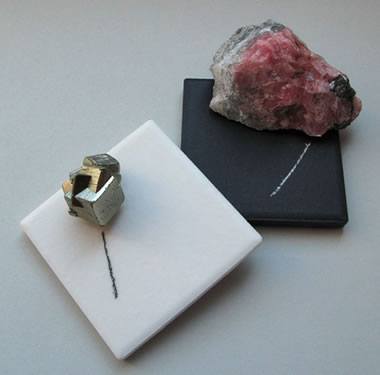
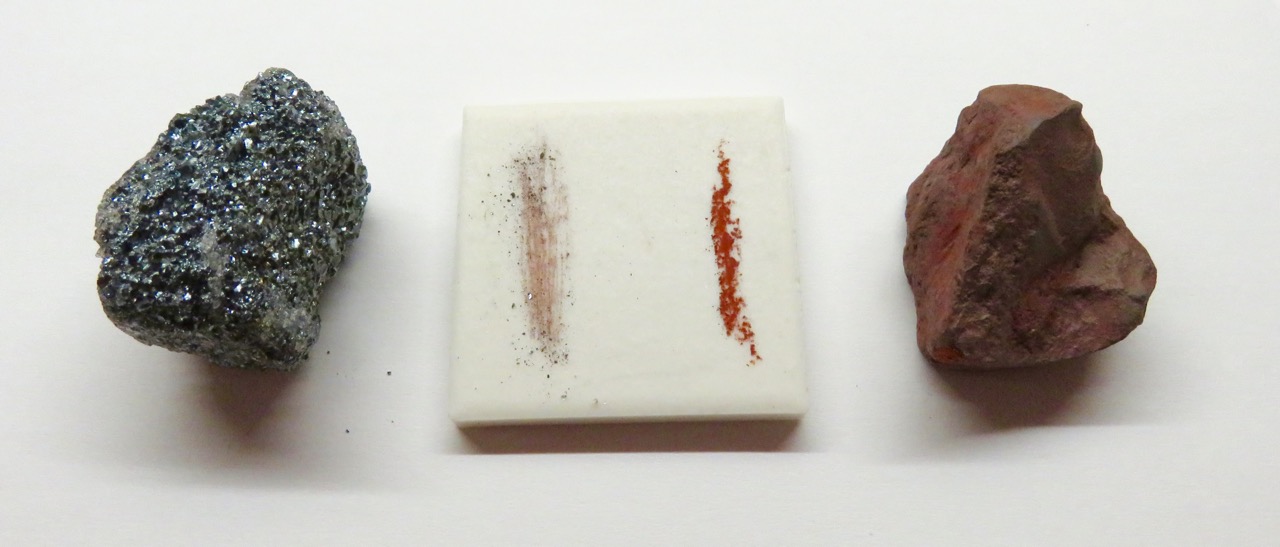
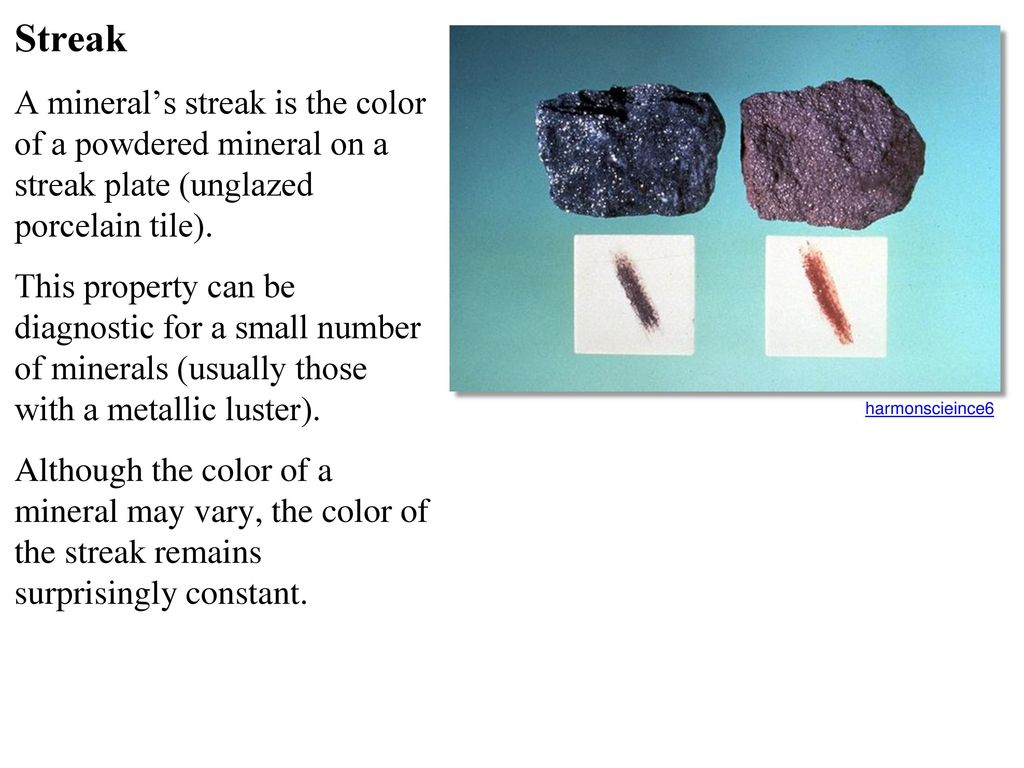
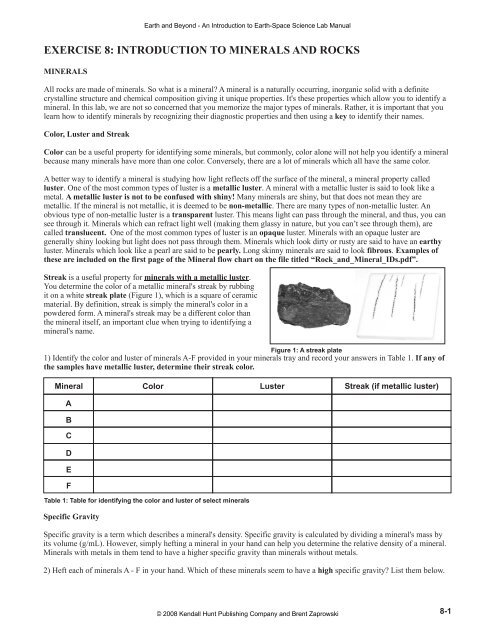
Streak is commonly examined by using a small ceramic tile called a streak plate and scratching the mineral across its surface.
Most minerals that are harder have an unhelpful white streak.
Flame the loop again and allow it to.
Mineral hardness test 5.
Specimens of willemite and calcite from the franklin district of new jersey in the united states may show brilliant fluorescent colours.
When the test fails the unknown mineral is then harder than your fingernail.
Streak plates have a mohs hardness of around 7 but be sure to check your streak plate against a piece of quartz hardness 7 because some are softer and some harder.
Streak colors of common minerals.
Minerals seem to scratch the streak plate instead of being crushed.
Possible test results and interpretation.
Some minerals that may exhibit fluorescence are fluorite scheelite calcite scapolite willemite and autunite.
An old kitchen tile or even a sidewalk can also serve as a streak plate.
Sometimes pieces of minerals are added to different kinds of soap to make the soap gritty so it can scrub off really tough dirt or scum.
White or colorless hardness is about the same as the streak plate.
Augite can be splintery and close to the hardness of the streak plate so brittle fragments rather than a powder will sometimes be produced.
Observe the surface of the streak plate.
A fingernail can scratch only a few minerals.
The sample has a mohs hardness 7 because it crushes against the streak plate.
Immediately streak the inoculating loop very gently over a quarter of the plate using a back and forth motion see area 1 in the figure above.
White to greenish gray.
The color produced here is a better diagnostic than the color you see when you look at the mineral because the color you see is affected by impurities in the mineral but when streaked the crystals are randomly arranged and it is less likely for impurities to affect light absorption.
Why did the minerals do this.
Mineral crushes and leaves a line of powder against the streak plate.
Some minerals leave a streak similar to their natural color such as cinnabar and lazurite.
The sample either crushes and leaves a line of powder on the streak plate or it does not.
For harder minerals the color of the powder can be determined by filing or crushing with a hammer a small sample which is then usually rubbed on a streak plate.
Flame the loop again and allow it to cool.
What common minerals may scratch the ceramic streak plate tile.