Snow sand water and other surfaces can reflect uv rays that cause the skin to burn too.
What causes shivering in ceramics.
Fine grog high in silica can also cause shivering especially if burnishing has brought it to the clay surface in the forming process.
A thick layer of glaze on the inside of a pot and a thin or no layer on the outside will cause stress.
These include fever stress low blood sugar and anxiety.
For many people the flu usually lasts about a week but.
Shivering shivering is a ceramic glaze defect that results in tiny flakes of glaze peeling off edges of ceramic ware.
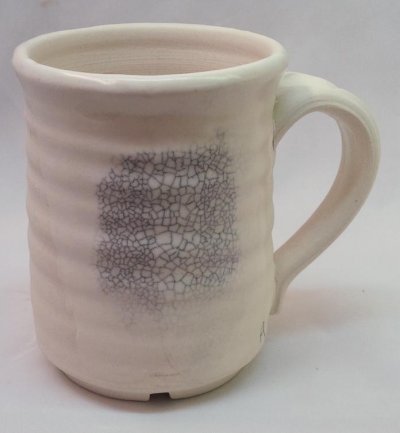
There are cases where crazing crackle effect is a desired effect like in the pictures on the left click to enlarge.
It has long been credited to an incompatibility with glaze and greenware.
Shivering usually occurs when a person is too cold but there are other possible causes.
It happens because the thermal expansion of the body is too much higher than the glaze.
Therefore dinnerware pottery should be uncrazed ware.
The effect in the top picture was accomplished by melting and fusing glass on the pot.
Specific types of cracks.
Shivering is caused by the clay body shrinking more during cooling than the glaze.
If your shivering is a response to chilly weather or wet skin then drying.
The following five steps are recommended to correct shivering.
Glazes that peel off of ceramic or clay bodies after firing.
Shivering is a failure that happens with glazes during the firing process.
The first involves adding high expansion materials feldspars or other alkali bearing materials to the clay body and or glaze.
Along with shivering and a fever the flu virus usually causes you to have aching muscles fatigue and a cough.
Jennifer robinson on webmd says that one of the first symptoms of the flu are periods of chills and sweats as the fever comes and goes.
This is not to be confused with crazing or crawling which are entirely different issues.
This fault can be a major concern since the very sharp micro flakes of glaze can be consumed from the lip of a mug for example or they can get into food.
The right treatment plan for your shivering and other symptoms will depend on their underlying cause.
Shivering generally resolves on its own but.
Too much uv light causes skin to burn.
The result is often a spiral crack up the sides.
Glaze crazing ask the right questions to analyse the real cause of glaze crazing.
A bit about shivering.
If glaze pools on the inside of a pot tension is created and the pot may crack or split across the base.
Having light skin blue eyes and red or blond hair.
You can get sunburn on cool or cloudy days.
3 depending on the severity of your cold you may or may not have shivering with it.