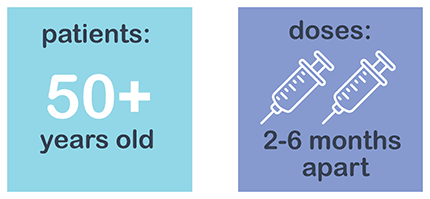
The shingles vaccine is recommended for people ages 50 and older as older adults are more likely to develop shingles.
What are the side effects of the shingles vaccine.

It s less likely but you could get a rash that looks like.
Common side effects of the shingles vaccine which occur in at least 1 in 10 people are.
Medicare covers the shingles vaccine under part d.
Studies show that shingrix is safe.
As people get older they become increasingly vulnerable to developing shingles.
Some people report a chickenpox like rash after getting the shingles vaccine.
Although some people will develop shingles despite vaccination the vaccine may reduce the severity and duration of it.
What are the possible side effects of shingrix.
If any side effects carry on for longer than a few days speak to your gp or practice nurse.
The vaccine helps your body create a strong defense against shingles.
The most likely side effects of the shingles vaccine are redness soreness swelling or itching where you get the shot and headache.
Other side effects are mild and usually last for 2 to 3 days including.
If you survive to age 80 you have a 25 to 50 chance of having had shingles this is an extraordinarily safe vaccine.
Doctors recommend it.
A few percentage points of people get chicken pox blisters around the site.
The most common side effects of either shingles vaccine are redness pain tenderness swelling and itching at the injection site and headaches.
The side effects may affect your ability to do normal daily activities for 2 to 3 days.
Redness pain swelling itching warmth and bruising at the injection site.
As a result you are likely to have temporary side effects from getting the shots.
Temporary vaccine side effects pale in comparison to shingles long lasting effects on the body experts says.
It lowers your chances of getting shingles by about 50 and your odds of long term nerve damage by about 67.
The main side effect is soreness in the arm where you get the shot.